
If you’ve been researching ways to publish puzzle books on Amazon KDP, you’ve probably discovered that the barrier isn’t the idea — it’s the workflow. Formatting a word-search or sudoku book to KDP’s print specifications, finding a niche with real demand, and getting the interior layout right can absorb days of effort before a single page goes live. Manaka Royalty is a cloud-based tool built specifically to compress that process. But it isn’t the only path, and depending on your skills and budget, a competing approach might actually serve you better. This comparison lays out the realistic options side by side.
What Manaka Royalty Actually Does
Manaka Royalty is a cloud-hosted software that automates the core production steps involved in creating puzzle books for print-on-demand platforms. Rather than requiring you to hand-build grids in a design program or stitch together multiple AI tools, it handles puzzle generation, formatting, and layout inside a single interface. The sales page references six core book types plus additional bonus formats — the exact list isn’t published openly, but mid-content puzzle books (word searches, crosswords, activity books, and similar formats) are the clear focus.
The workflow the vendor describes follows three broad steps: generate your puzzle content inside the tool, export it in a format ready for platform upload, and list it on a marketplace where buyers are already searching. The tool also includes training materials covering niche research and the publishing process, which is a meaningful inclusion for users who have never listed a product on KDP before.
Two details stand out from a practical standpoint. First, no API keys or third-party accounts are required — the software runs in-browser without you needing to connect external services. Second, there are reportedly no recurring subscription costs, which matters when you’re evaluating whether a side-income project can stay profitable at low volume.

The Realistic Alternatives
Before deciding whether Manaka Royalty fits your situation, it helps to understand what you’d actually be comparing it against. Most people entering the puzzle book space consider one of four approaches:
- Manual design tools (Canva, Adobe InDesign, Microsoft Word): Free or low monthly cost, but every puzzle must be sourced or built separately, and KDP formatting requirements add a steep learning curve.
- Dedicated puzzle-generation software (Crossword Compiler, Puzzle Maker Pro, etc.): Purpose-built for puzzle creation, often desktop-based, typically priced as one-time purchases. Strong output quality, but limited to puzzle creation — formatting, covers, and publishing strategy are still on you.
- General AI tools plus manual assembly: Using ChatGPT or similar for content ideas, then assembling interiors manually. Low direct cost but high time cost, and the results require significant editing to meet print standards.
- Done-for-you freelance services (Fiverr, Upwork): Outsource both design and puzzle creation. High-quality output is possible, but per-book cost is significant and doesn’t scale well for low-priced KDP titles.
Head-to-Head Comparison
| Factor | Manaka Royalty | Manual Design Tools | Dedicated Puzzle Software | Freelance / Outsourcing |
|---|---|---|---|---|
| Setup complexity | Low — cloud-based, no installs | Medium — requires KDP spec knowledge | Medium — desktop install, learning curve | Low for buyer, high coordination effort |
| Puzzle generation | Automated inside the tool | Manual or separate tool needed | Strong, purpose-built | Depends on freelancer |
| Formatting for KDP | Handled by software | Manual — error-prone for beginners | Partial — interiors only | Included if scoped correctly |
| Niche research guidance | Included in training | None included | None included | None included |
| Ongoing cost | One-time (per vendor claims) | Free to low monthly | One-time license | Per project — scales with volume |
| Commercial rights | Full rights to output | Depends on asset sources | Typically yes | Depends on contract |
| Best for | Beginners wanting end-to-end simplicity | Designers comfortable with layout | Experienced publishers wanting control | Those who want hands-off production |
Where Manaka Royalty Has a Clear Edge
The strongest argument for Manaka Royalty over the alternatives is consolidation. Every other approach in the table above requires you to manage at least two separate tools or workflows — one for puzzle creation, one for formatting, often a third for cover design. For a beginner, that fragmentation is where most projects stall. Manaka Royalty’s value proposition is that it collapses those steps into a single interface.
The included training is a genuine differentiator. Dedicated puzzle software like Crossword Compiler is excellent at generating puzzle content, but it ships with no guidance on how to research profitable niches, price your book, or navigate KDP’s submission process. Someone new to self-publishing would need to piece that knowledge together from YouTube tutorials and forum posts. Having it bundled with the tool meaningfully lowers the friction of getting to a first published product.
The no-recurring-cost model also compares favorably against freelancing at scale. If you’re testing whether puzzle books can generate meaningful royalties before committing serious time, a one-time tool purchase carries less financial risk than paying a freelancer per book across multiple test titles.
Honest Caveats Worth Knowing
No tool in this space is without trade-offs, and Manaka Royalty has a couple worth naming before you decide.
Output customization may be limited compared to dedicated software. Tools built specifically for puzzle creation — particularly desktop applications with long development histories — typically offer finer control over grid size, difficulty scaling, and word list management. If your publishing strategy involves highly specialized puzzle formats or you’re already an experienced KDP publisher who wants granular control, purpose-built puzzle software may give you more flexibility even if it requires more manual assembly afterward.
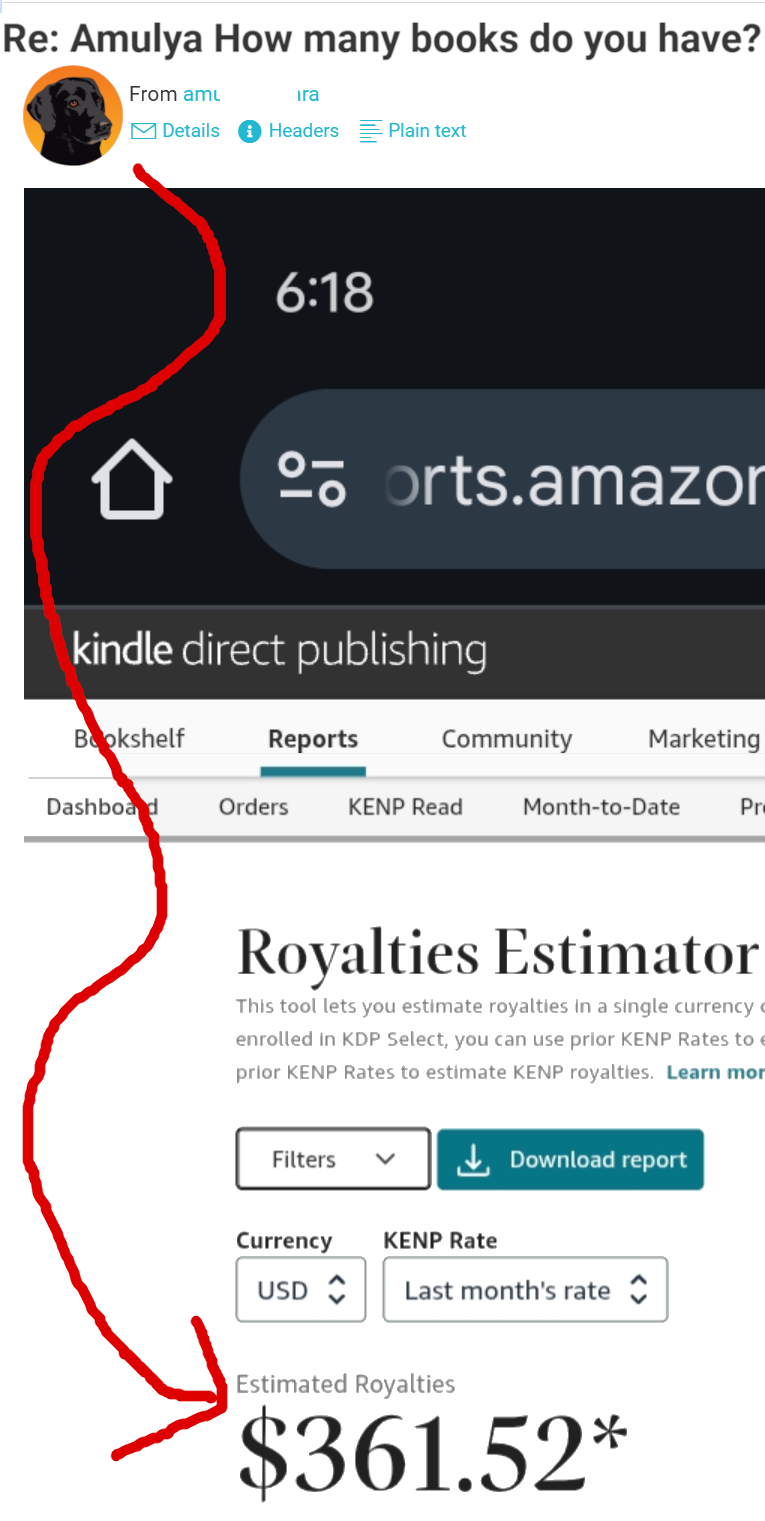
The traffic element deserves realistic expectations. The sales page positions Amazon and similar platforms as built-in traffic sources, which is accurate in the sense that shoppers do search for puzzle books there. However, discoverability on KDP is competitive, and the training’s guidance on niche selection will significantly influence how much organic visibility any given book achieves. The tool handles production; the commercial outcome still depends on the niche choices you make and how many titles you publish.
Who This Is Not For
Manaka Royalty is unlikely to be the right fit if you fall into one of these categories:
- Experienced KDP publishers who already have a formatting workflow they’re happy with and just need a puzzle-generation engine — dedicated software may offer more control at comparable cost.
- Designers or developers comfortable working in InDesign or similar tools, who would find an automated output more limiting than helpful.
- Anyone expecting a guaranteed income stream. Publishing puzzle books is a legitimate low-capital business model, but it requires consistent output and smart niche selection. No software changes that underlying reality.
- Publishers focused on non-puzzle content — journals, planners, coloring books — where Manaka Royalty’s specific automation offers no advantage.
The Right Fit: Who Should Consider Manaka Royalty
The profile of someone who would get genuine value from this tool is fairly specific: a beginner or early-stage self-publisher who wants to test the puzzle book niche without spending weeks learning design software or hiring freelancers for every title. The combination of automated production and bundled training addresses the two friction points that most commonly stop newcomers — the technical how and the strategic what.
It also suits someone who wants to publish multiple titles across different niches to see what gains traction, rather than investing heavily in a single polished book. Lower per-book production time means more titles tested in the same window, which is generally a sound approach for low-content KDP publishing.
Verdict
Compared to the realistic alternatives, Manaka Royalty occupies a specific and useful position: it’s the most beginner-accessible option for end-to-end puzzle book production. Manual tools are cheaper but require more expertise. Dedicated puzzle software offers more control but leaves publishing strategy entirely to you. Freelancing is hands-off but doesn’t scale economically at low KDP price points.
For someone starting from scratch in the puzzle book space, the consolidation of puzzle generation, formatting, and publishing training into one tool is a meaningful practical advantage. Our assessment is worth testing — with the understanding that the tool handles production, and your results will depend on the niche research and publishing consistency you bring to it.
If you’re evaluating whether puzzle books are a viable income stream and want the lowest-friction way to find out, Manaka Royalty is a reasonable starting point to assess against your own workflow and goals.